

In the world of web development, architecture patterns are constantly evolving to meet the demands of modern applications. One such pattern that has gained significant traction is Micro Frontends. But what exactly are micro frontends, and why should you consider them for your next project?
This comprehensive guide explores the concept of micro frontends, their benefits, challenges, and best practices for implementation.
What are Micro Frontends?
Micro-frontends extend the concept of microservices to the frontend, breaking down large applications into smaller, manageable pieces. Each team owns its piece, allowing for greater autonomy and faster development cycles.
Key Characteristics of Micro Frontends:
- Independent Development: Teams can build, test, and deploy their components independently.
- Technology Agnostic: Teams can use different frameworks (React, Angular, Vue.js) within the same application.
- Scalability: Easily scale components without disrupting the entire system.
How Micro Frontends Work
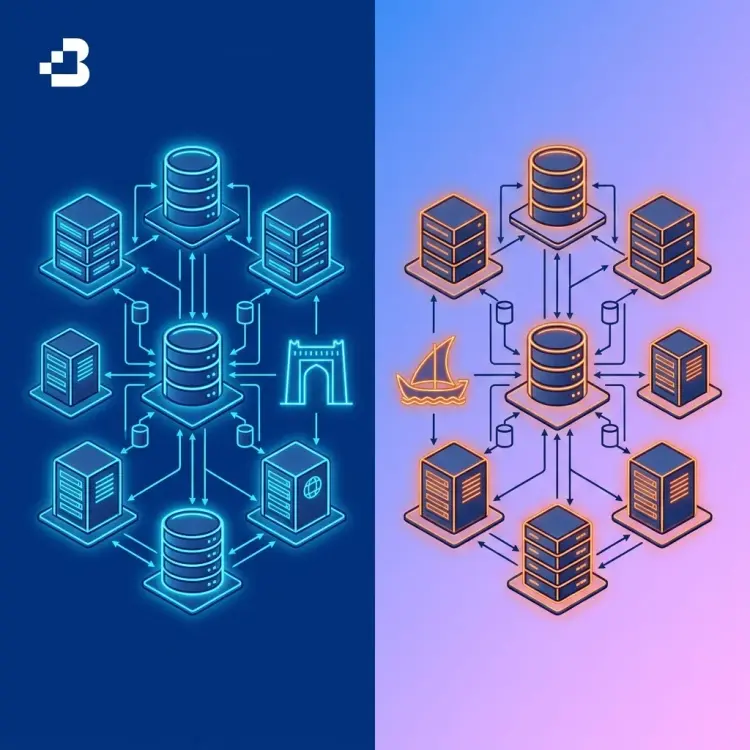
At its core, the micro frontend architecture divides a front-end program into independent, functional components that are rendered in tandem. These components communicate with one another when necessary, but each maintains autonomy throughout its lifecycle, from development to deployment.
Here's a simplified summary of how microfrontends work:
Composition at Runtime or Build Time
Micro frontends can be composed either at build time (using tools like Webpack Module Federation) or at runtime (using iframe or JavaScript imports).
Each approach has its own advantages:
- Build-Time Composition: This involves combining the different micro frontends during the build process. This results in a more seamless integration but can limit flexibility when updating individual parts.
- Runtime Composition: This allows for loading micro frontends dynamically at runtime, providing more flexibility in deployment and updates, but often introduces additional complexity around communication and data sharing.
Shared State and Communication
While micro frontends are intended to operate independently, they may still need to share data or manage state across different components.
This can be achieved using:
- Global Event Emitters: Micro frontends can communicate by emitting and listening for custom events at a global level.
- Shared Libraries: Common dependencies or state can be managed through shared libraries (though this reduces isolation).
- API Gateways: Frontends can use backend APIs to centralize data handling, minimizing direct communication between micro frontends.
Independent Deployment
Each micro frontend can be independently developed, tested, and deployed. This enables faster release cycles since changes to one micro frontend won’t necessarily affect the others.
Benefits of Micro Frontends
Micro frontends offer several advantages for teams working on large-scale applications, including:
Scalability and Flexibility
By dividing down the frontend into smaller sections, separate teams may grow and manage their own components independently. Teams can also try out other front-end frameworks and libraries without affecting the rest of the project.
Improved Team Autonomy
Traditional monolithic frontend development involves all teams working on the same codebase, which might result in conflicts and shorter development cycles. Micro frontends let teams to work autonomously, increasing cooperation while lowering interdependence. Teams are given the authority to manage certain areas of the user interface.
Faster Deployment
Micro frontends allow teams to deploy individual components without having to wait for a full application deployment. This enables faster upgrades and continual supply of features, bug fixes, and improvements.
Easier Maintenance and Upgrades
Micro frontends enable incremental upgrades or refactoring of specific parts of the frontend without requiring a complete rewrite of the entire application. This is particularly useful for long-term projects where portions of the frontend need to be modernized over time.
Reduced Risk
Because changes are isolated to individual components, the risk of breaking the entire application is minimized. If one micro frontend encounters an issue, it won’t bring down the rest of the application.
Challenges of Micro Frontends
Despite their advantages, micro frontends also come with some challenges that developers should consider before adopting this architecture.
Increased Complexity
While micro frontends provide flexibility, they also introduce complexity, particularly in managing the communication between different parts of the application. Developers need to think carefully about how to handle shared state, common dependencies, and cross-component communication.
Performance Overhead
Micro frontends often result in loading multiple JavaScript bundles, which can negatively impact performance. Managing efficient loading strategies and bundling is essential to avoid latency issues.
Consistency in User Experience
Since different teams might use different frameworks or styles, ensuring consistency in the design and user experience across all micro frontends can be challenging. This requires careful planning and adherence to design guidelines.
Dependency Management
While independence is a core feature of micro frontends, maintaining shared dependencies can be tricky. You’ll need to ensure that shared libraries, such as design systems or utilities, don’t become outdated or incompatible across different micro frontends.
Testing and Debugging
Micro frontends are often harder to test and debug due to the separation of codebases. Ensuring seamless integration of all components in production can be complex, requiring more advanced testing strategies and tools.
When to Use Micro Frontends
Micro frontends are not always the best solution for every project. They are particularly useful in large-scale applications where multiple teams work independently on different features, or when an existing monolithic frontend is becoming unmanageable. Here are some use cases where micro frontends make sense:
- Large, complex applications: If you’re managing a large application with multiple teams working on different features or sections.
- Long-term projects: If you anticipate needing to refactor or update parts of the application over time.
- Polyglot frontends: When you want to use different technologies (frameworks, libraries) for different parts of the application.
Best Practices for Micro Frontends
To successfully implement micro frontends, consider these best practices:
- Keep Each Micro Frontend Small: Aim for each micro frontend to be focused on a specific feature or domain. This keeps things manageable.
- Use a Design System: A shared design system ensures that all micro frontends look and feel consistent, even if they’re built by different teams.
- Plan Communication Carefully: Establish clear communication patterns between micro frontends, using APIs, global event emitters, or other methods.
- Prioritize Performance: Implement lazy loading, caching strategies, and optimize the bundling of assets to maintain good performance.
Conclusion
Micro frontends offer scalability, flexibility, and autonomy, making them a game-changer for large-scale applications. However, they require careful planning and execution to overcome complexities and deliver consistent performance. For a practical look at the ecosystem, check out our guide on the top micro frontend frameworks to boost your development workflow.
Ready to implement micro frontends in your next project? Our web development services can help you build scalable, modern web applications.